HOME / Hologram / Pharmaceutical Industries

Pharmaceutical - Hologram
Holography for Pharmaceutical Security and Authenticity
Holographic technology in the pharmaceutical industry is crucial for ensuring product authenticity, enhancing security, and protecting consumers from counterfeit drugs. Holographic labels provide a visually distinct and secure method to combat fraud and improve patient safety.
-
 Counterfeit Protection
Holograms act as a deterrent to counterfeiters by providing unique security features that are difficult to replicate. These features ensure that the product reaching the consumer is genuine and safe for use.
-
 Real-Time Tracking and Traceability
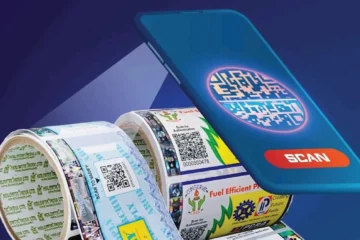
Integrated QR codes and RFID technology enable real-time tracking of pharmaceutical products, from manufacturing to consumer delivery. This enhances transparency and improves the efficiency of the supply chain.
-
 Enhanced Brand Integrity
Incorporating holographic elements into pharmaceutical labels reinforces brand integrity and communicates a commitment to quality. This provides reassurance to consumers about the authenticity of the product.
-
 Tamper-Evident Features
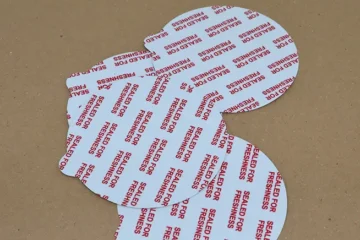
Holographic labels are designed with tamper-evident features, making it easy to detect if a product has been altered or compromised. This is crucial in protecting patient safety and maintaining product integrity.
-
 Regulatory Compliance
Designed to meet regulatory standards, these labels ensure accurate display of essential details such as ingredients, dosage instructions, and safety warnings, helping pharmaceutical companies stay compliant.
-
 Consumer Confidence
The use of holographic labels boosts consumer confidence by visually demonstrating that the pharmaceutical product is authentic and high-quality. This fosters trust and encourages brand loyalty among healthcare professionals and patients.
Technical document
Contact Sales Persons


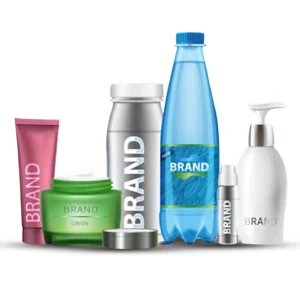

Advanced Security Features
Holographic labels include microtext, color-shifting patterns, and embedded security codes that prevent duplication and counterfeiting, ensuring drug authenticity.
Compliance with Pharmaceutical Regulations
Labels ensure that pharmaceutical packaging adheres to legal requirements for product labeling, including clear dosage instructions and ingredient disclosure.
Customization for Different Pharmaceutical Products
Holograms can be customized to match specific pharmaceutical products, enhancing brand recognition and making packaging stand out in the marketplace.
Prevention of Prescription Fraud
Pharmaceutical companies use holographic features to deter prescription fraud, with unique identifiers that allow easy verification of authenticity.
Improved Packaging Integrity
Holographic labels are often tamper-evident, which helps to protect the contents of pharmaceutical packaging from being tampered with, ensuring patient safety.
Boosts Brand Image
By incorporating advanced holographic technologies into packaging, pharmaceutical companies improve their brand’s image, reinforcing a commitment to safety, security, and quality.
Supply Chain Visibility
With embedded RFID tags and QR codes, pharmaceutical holographic labels enable real-time monitoring of products through the supply chain, improving transparency.
Easy Authentication for Consumers
Consumers can verify the authenticity of pharmaceutical products easily by scanning holographic labels, reducing the risk of consuming counterfeit medications.
Advantages of Pharmaceutical Industries in Hologram
Protect your brand with advanced technologies like unique identifiers, holograms.

Increased Product Security
Holographic labels provide superior protection against counterfeiting, ensuring that consumers receive genuine, unaltered pharmaceutical products.

Compliance with Global Standards
Holographic labels ensure pharmaceutical products comply with international regulations, making it easier for companies to distribute globally.

Boosts Consumer Trust
The use of secure holographic features builds trust with consumers, as they can easily verify the authenticity of the product.

Enhanced Brand Recognition
The distinct visual appeal of holograms helps pharmaceutical companies stand out, making their products more recognizable on the market.

Prevention of Tampering
Tamper-evident holographic labels offer an added layer of security by making it clear if a product has been altered or opened.

Improved Tracking and Traceability
The integration of QR codes and RFID technology allows real-time tracking and traceability, enhancing supply chain management and ensuring product authenticity.
Holograms are three-dimensional images created through the interference of laser light to produce a visually striking and often interactive effect. While holograms are most commonly associated with artistic and decorative applications, they can also be used in information technology (IT) solutions in various ways
RFID Technology
Radio Frequency Identification (RFID) tags can be embedded in products, allowing for real-time tracking and verification of the product’s authenticity.

Safeguarding Medicines with Anti-Counterfeit Holographic Solutions
Pharmaceutical counterfeiting is a global threat that endangers patient safety and damages brand reputation. Holograms offer a highly secure, tamper-evident layer of protection that makes duplication of medicine packaging extremely difficult. These holographic seals can incorporate microtext, hidden images, or serial codes to enable easy authentication by wholesalers, pharmacies, and consumers. By integrating holograms with digital tracking systems like QR or RFID, pharmaceutical companies can further ensure product traceability. This not only prevents counterfeiting but also reinforces regulatory compliance and consumer confidence.
Enhancing Regulatory Compliance and Brand Trust with Smart Holograms
Holographic labels provide an effective way to meet stringent regulatory demands while simultaneously boosting brand visibility. These advanced security features can be customized with overt and covert elements, such as 2D/3D visuals, UV ink, or nano-text, to match industry compliance standards. In addition to protection, they offer a professional and high-tech appearance that elevates the perceived quality of pharmaceutical products. Smart holograms can also be integrated with verification platforms, allowing consumers to confirm product authenticity through mobile scanning. This dual benefit of security and transparency strengthens trust between manufacturers and end-users.








WHAT PEOPLE SAY
Find out why people love working with Pearl Business LLC
Element not found in
We are true to ourselves, and commit to always perform at our best.
We believe that we are outstanding. Not because we say it, but because we work hard at it. We are dedicated, committed and focused. We believe that every person will reach their personal best and overcome any challenge through a shared culture and ethos.
Frequently asked questions
Holoprint Security Solutions (Holostik group) having more that 40 years of experience in developing and providing anti-counterfeiting solution for various industries. And Holoprint is the first manufacturing plant for holographic products from the Middle East region located in Dubai, UAE.
Our clients have experienced an ROI of up to 339% on our anti-counterfeiting products.
Holoprint has end-to-end in-house capabilities for R&D, product design, manufacturing and IT development.
We invest a minimum of 5% of our annual budget on research and development.





CLIENTS









REQUEST A CALL BACK
[wpforms id=”6889″ title=”false” description=”false”]