HOME / Induction Seals – Wads / Dairy Industries

Dairy - Induction Seals
Revolutionising Dairy for a Sustainable Future
The dairy industry involves the production, processing, and distribution of milk and dairy products like cheese, yogurt, butter, and ice cream. It plays a significant role in global food security, providing essential nutrients like calcium, protein, and vitamins.
-
 Production of Dairy Products
The dairy industry produces milk, cheese, yogurt, butter, and milk powder. Each item meets different needs like cooking, snacking, or nutrition. -
 Animal Welfare and Ethical Practices
Dairy farms improve cattle care through better living conditions. Ethical practices include proper feeding, health checks, and stress reduction.
-
 Dairy Processing
Key processes like pasteurization and fermentation ensure safety. These methods kill pathogens while keeping taste and nutrients intact. -
 Technological Advancements
Farms use AI, automation, and sensors to boost efficiency. These tools help manage livestock and lower labor and production costs.
-

Sustainability Efforts
The industry cuts its impact through eco-friendly practices. These include saving water, cutting methane, and using clean energy. -
 Health and Nutritional Benefits
Dairy provides calcium, protein, and vitamin D for health. Products are now made with less fat, sugar, and added health benefits.
Technical document
Contact Sales Persons





Product Diversification
The dairy industry offers a wide range of products, from traditional liquid milk to functional food products like fortified milk and plant-based alternatives. This diversity caters to various tastes and dietary needs.
Technological Integration
Technological advancements in milking systems, AI, and automated processing are improving dairy farm efficiency. Such innovations help in managing large dairy herds and monitoring environmental conditions for optimal milk yield.
Sustainability in Production
There is a growing focus on eco-friendly dairy practices, such as renewable energy for processing plants and efficient water use. Additionally, sustainable packaging is being implemented to reduce waste from dairy products.
Consumer Demand for Health-Conscious Products
Consumers are increasingly leaning towards dairy products with reduced fat, sugar, and enhanced nutritional value. The industry responds by developing functional products like probiotic-rich yogurt and lactose-free options.
Global Supply Chain
The dairy industry operates in a global supply chain, distributing milk and dairy products across borders. Efficient transportation and strict quality control measures ensure that these perishable goods reach their destinations safely.
Regulations and Safety Standards
Dairy production is tightly regulated, with agencies setting guidelines for product safety, quality, and labeling. Compliance ensures that dairy products are safe for consumption and meet consumer expectations in terms of taste and nutritional benefits.
Innovation in Product Development
The dairy industry continually explores innovative products to meet changing consumer preferences. Trends like protein-enriched milk, dairy-based snacks, and functional beverages cater to lifestyle and wellness needs, expanding the industry’s market appeal.
Focus on Animal Welfare
Animal welfare plays a crucial role in ensuring sustainable dairy production. Ethical farming practices, including proper nutrition, comfortable housing, and regular veterinary care, enhance livestock health, leading to higher-quality dairy outputs.
ADVANTAGES OF DIARY INDUSTRIES
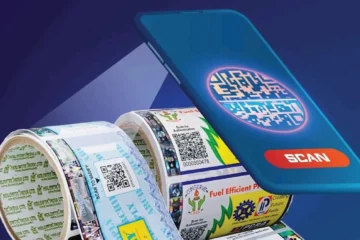
Protect your brand with advanced technologies like unique identifiers, holograms.

Nutritional Value
Dairy products provide essential nutrients that are crucial for human health. High-quality milk, cheese, and yogurt offer a source of protein, calcium, and vitamin D, contributing to improved overall health.

Economic Growth
The dairy industry is a significant contributor to both local economies and global trade. By providing jobs in farming, processing, and retail, it stimulates employment and economic activity in many regions around the world.

Product Innovation
Continual product innovation in the dairy sector allows for the development of new varieties that cater to modern dietary needs. From organic products to lactose-free and plant-based alternatives, the industry can adapt to shifting consumer preferences.

Supporting Rural Communities
The dairy industry is a key source of livelihood in rural areas. It helps create jobs, support local businesses, and contribute to the rural economy, particularly in farming and processing communities.

Sustainability Practices
Dairy farming is increasingly incorporating environmentally friendly practices, from waste management to water conservation. These sustainability initiatives contribute to reducing the industry’s ecological footprint while producing high-quality dairy goods.

Global Market Reach
With a strong global presence, dairy products are exported to countries around the world. This global trade enhances access to nutrient-rich products, providing a stable food source for populations worldwide.
Holograms are three-dimensional images created through the interference of laser light to produce a visually striking and often interactive effect. While holograms are most commonly associated with artistic and decorative applications, they can also be used in information technology (IT) solutions in various ways
RFID Technology
Radio Frequency Identification (RFID) tags can be embedded in products, allowing for real-time tracking and verification of the product’s authenticity.

Freshness and Hygiene Sealing for Dairy Products
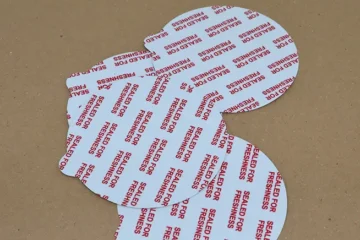
Induction sealing liners ensure dairy products stay fresh, uncontaminated, and securely packaged from production to consumption. These liners provide a hermetic seal that prevents spoilage caused by air, bacteria, and external moisture. For liquid dairy items like milk, curd, or flavored drinks, the seal ensures leak-proof transportation and storage. Holoprint’s liners are food-grade, tamper-evident, and compatible with a wide range of container materials used in the dairy sector. This advanced sealing technology supports longer shelf life and enhances consumer confidence in the brand.
Leak-Proof Protection for Creams, Yogurts, and Buttermilk Packs
Dairy products such as creams, yogurts, and buttermilk require packaging that can withstand temperature changes without compromising safety. Induction sealing wads from Holoprint offer a reliable barrier that prevents leaks, spills, and microbial contamination. The seals maintain product integrity during distribution and refrigeration, reducing wastage and product returns. These liners are also ideal for single-use and resealable packaging options, improving convenience for consumers. With Holoprint’s solutions, dairy producers can achieve both operational efficiency and product quality assurance.








WHAT PEOPLE SAY
Find out why people love working with Pearl Business LLC
Element not found in
We are true to ourselves, and commit to always perform at our best.
We believe that we are outstanding. Not because we say it, but because we work hard at it. We are dedicated, committed and focused. We believe that every person will reach their personal best and overcome any challenge through a shared culture and ethos.
Frequently asked questions
Holoprint Security Solutions (Holostik group) having more that 40 years of experience in developing and providing anti-counterfeiting solution for various industries. And Holoprint is the first manufacturing plant for holographic products from the Middle East region located in Dubai, UAE.
Our clients have experienced an ROI of up to 339% on our anti-counterfeiting products.
Holoprint has end-to-end in-house capabilities for R&D, product design, manufacturing and IT development.
We invest a minimum of 5% of our annual budget on research and development.





CLIENTS

















REQUEST A CALL BACK
[wpforms id=”6889″ title=”false” description=”false”]